The work of Joke Robaard (Meppel, 1953) is an ongoing study of how people are represented; the way they function in groups and networks. Her photographic pieces, canvases, videos and diagrams reflect the changes and shifts in how people, clothes and language are interconnected. At the same time, she observes and analyses the use of fabric metaphors in public and political discourse. Since 1978, Robaard has kept an extensive visual archive consisting of thousands of pages and cutouts from magazines and other print media. Based on this, she has published ARCHIVE SPECIES, Bodies, Habits, Practices (2018)together with writer Camiel van Winkel. In the book, she makes an inventory of strategies of ‘represented humanity’ and takes a critical look at them.
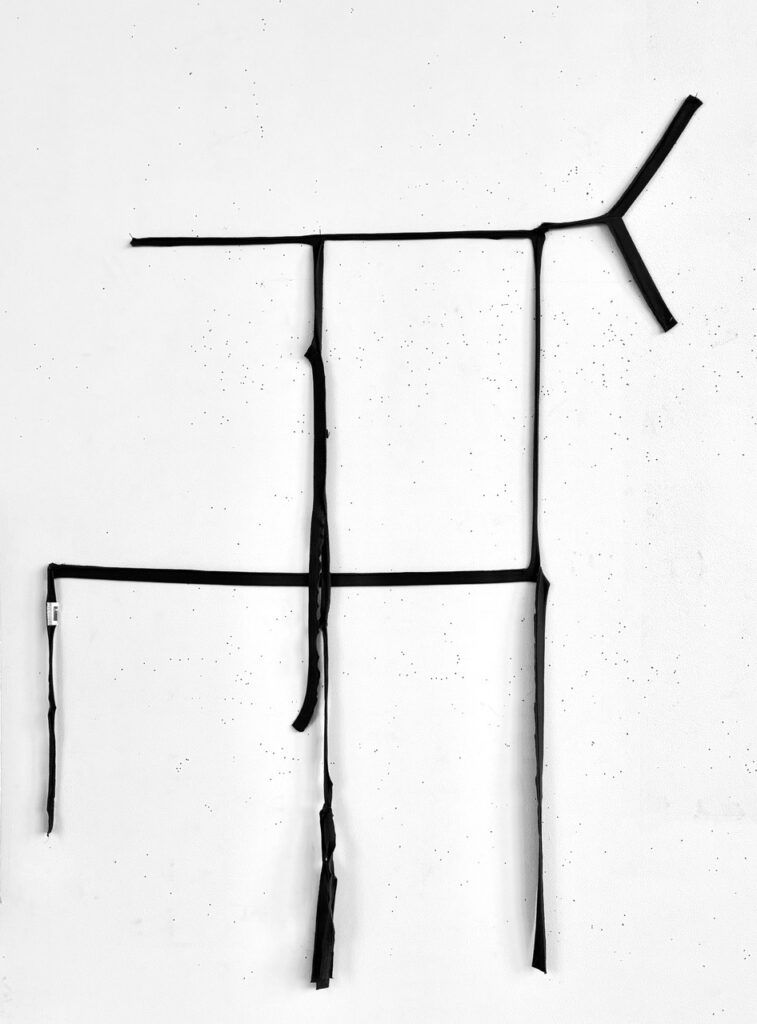
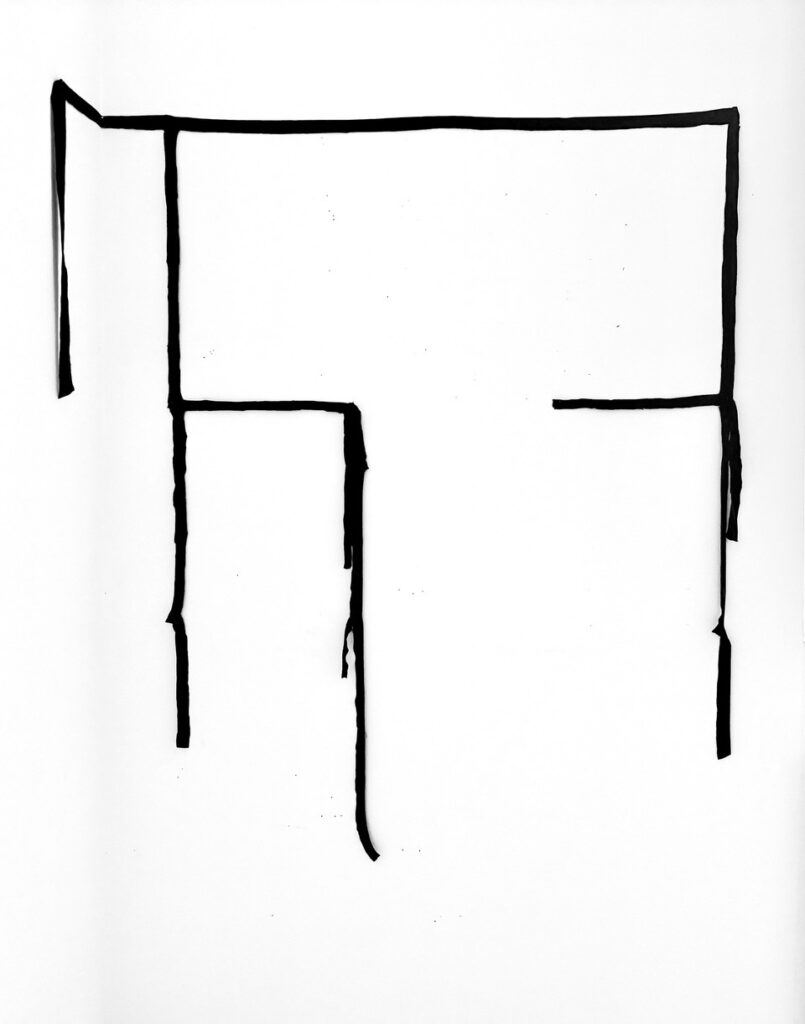
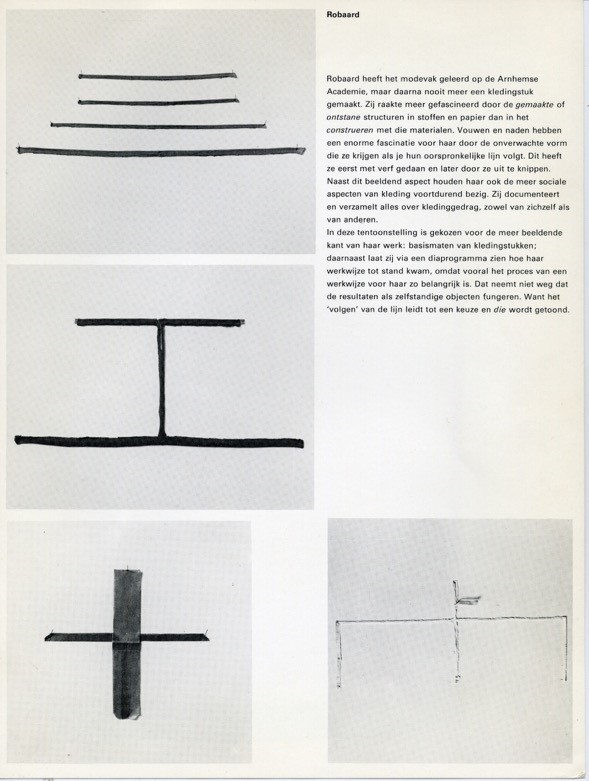
NL. Het werk van Joke Robaard (NL 1953) is een doorlopend onderzoek naar de representatie van mensen zoals ze functioneren in groepen en netwerken. Haar fotowerken, doeken, en video’s zijn een weerslag van de voortdurende verschuivingen in de verbindingen tussen mensen, kleding en omgeving (taal). Vouwen en naden fascineren haar door de onverwachte vorm die ze krijgen als je langs hun oorspronkelijke lijn knipt. Zo ontstaan nieuwe constructies die overeenkomsten vertonen met geschreven taal.
Joke Robaard woont en werkt in Amsterdam/ Joke Robaard lives and works in Amsterdam.
REGARDING WORKS AT ART ROTTERDAM to be seen at Rib, 2026.
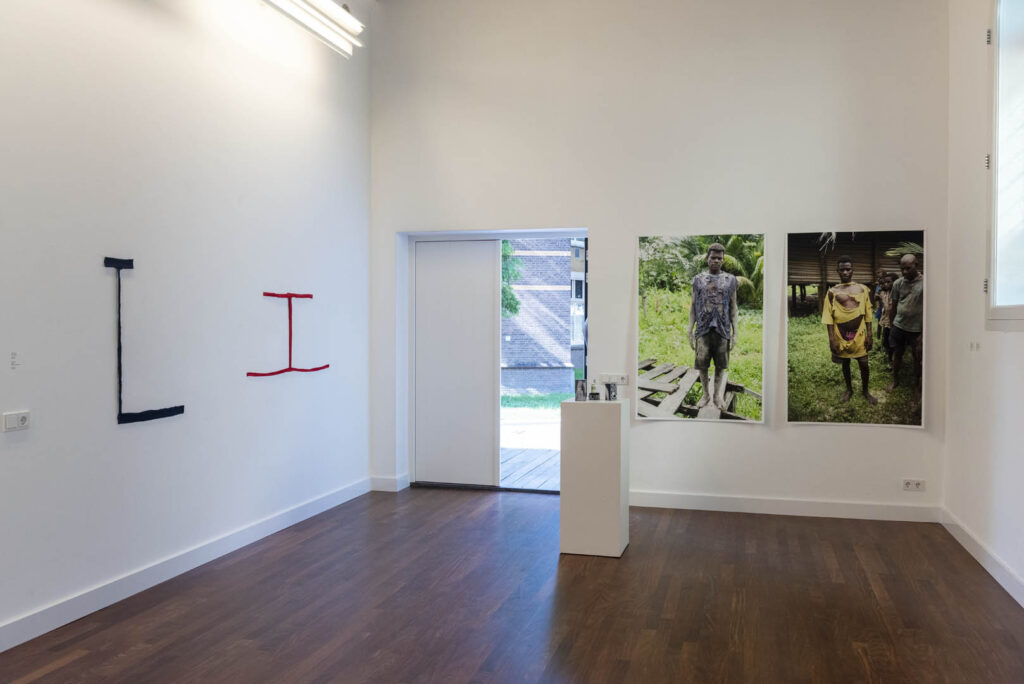
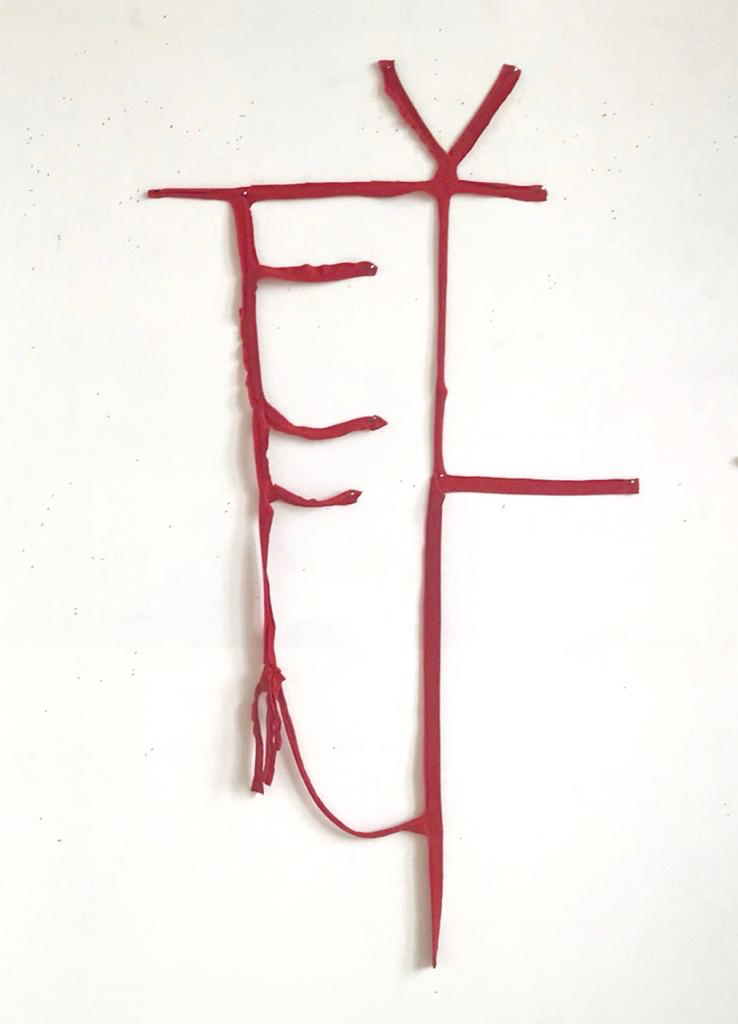
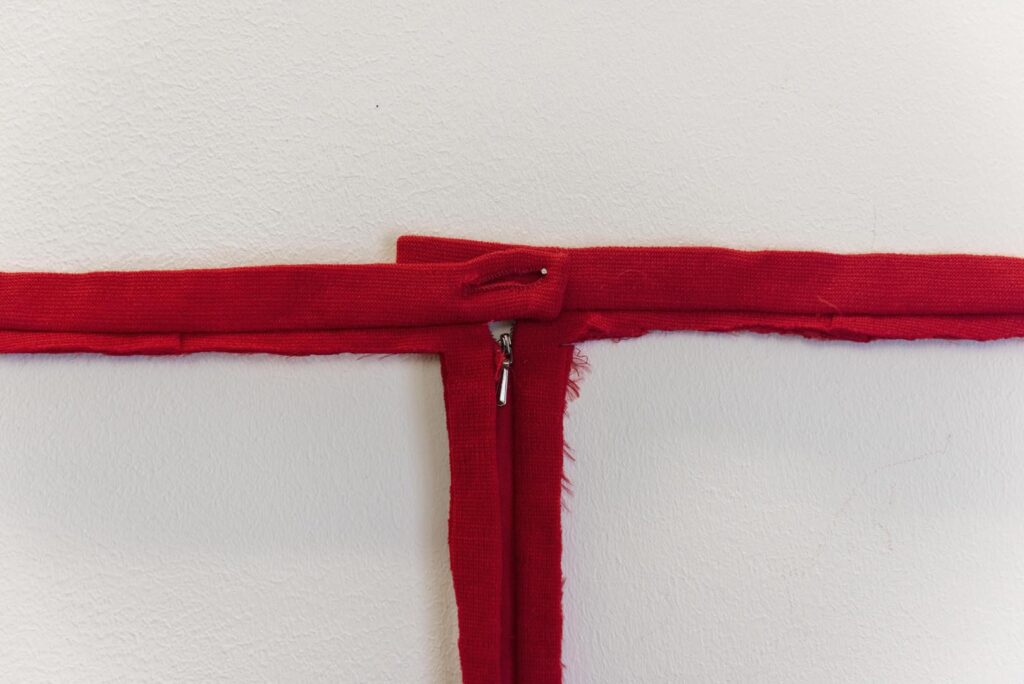
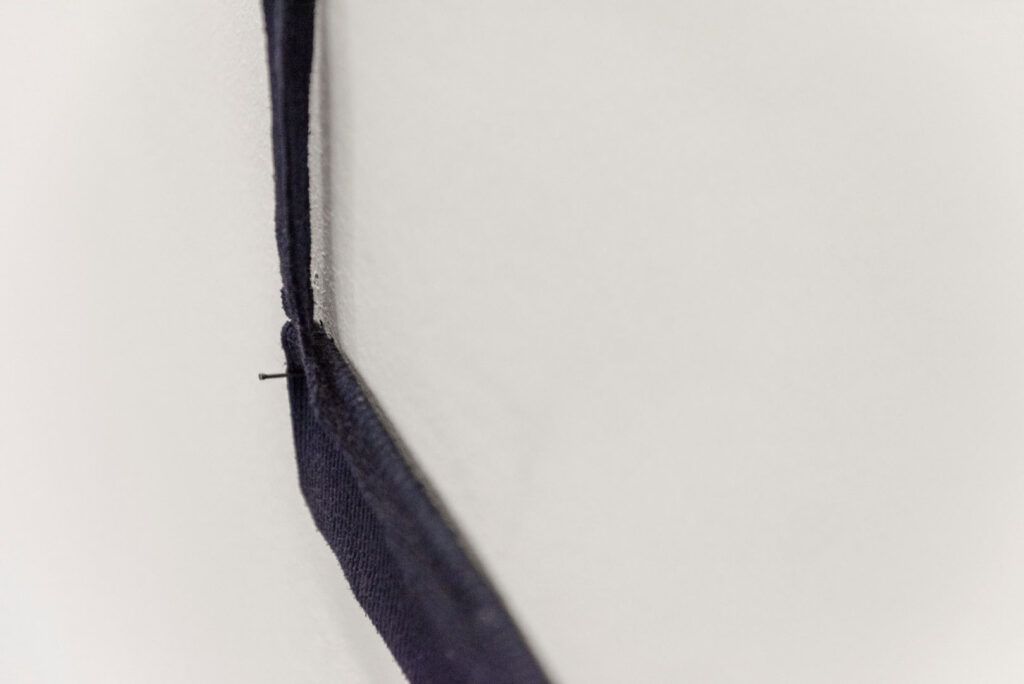
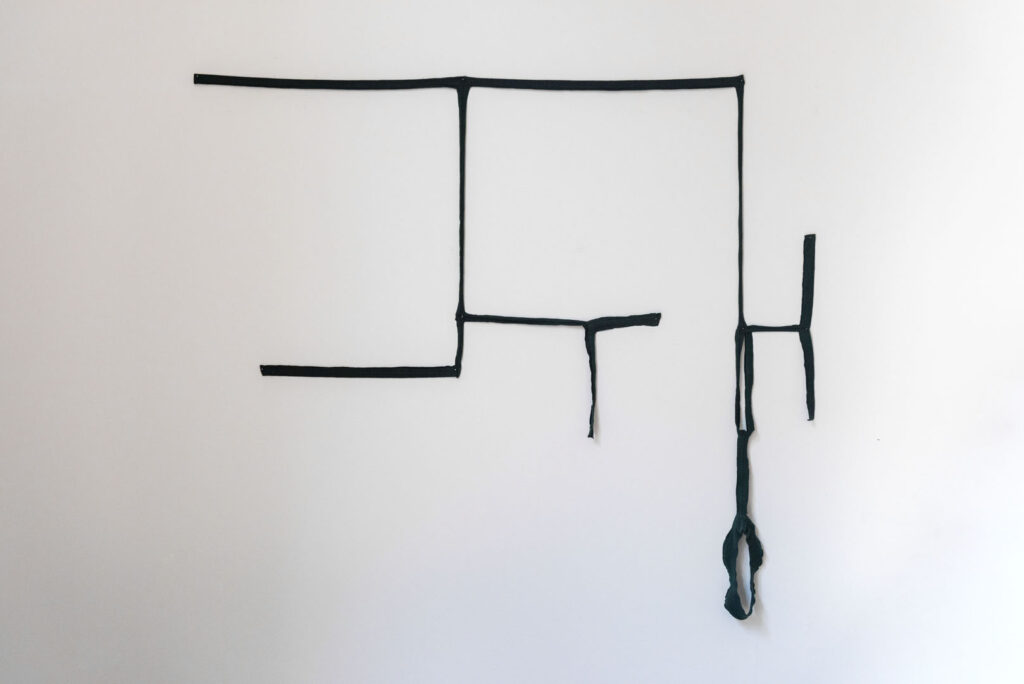
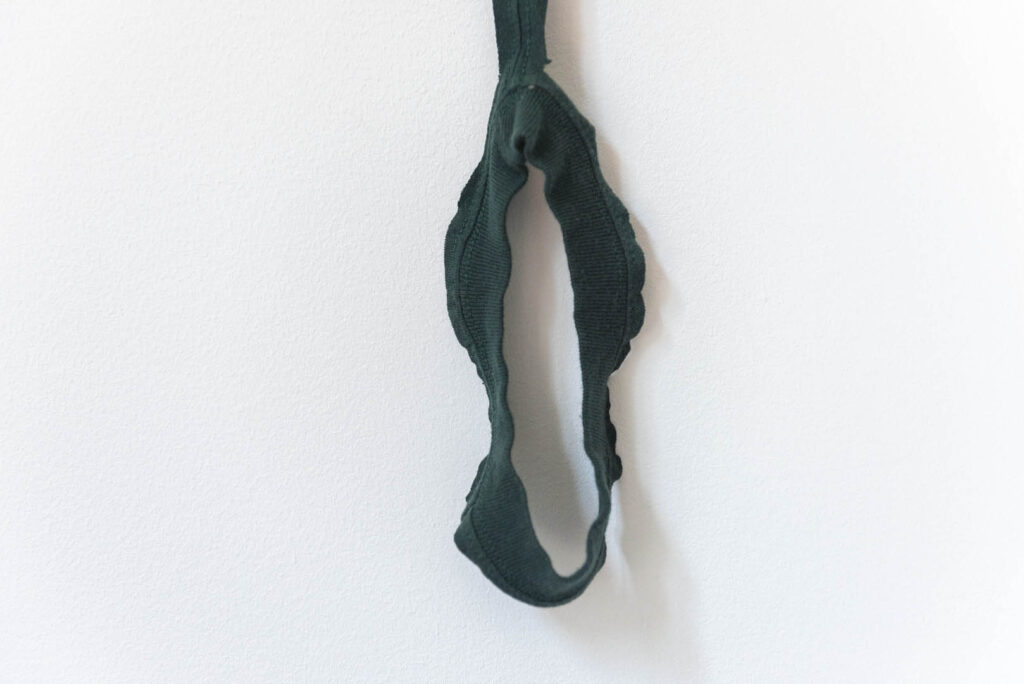
Joke Robaard works between archive and gesture. She is currently developing two interconnected bodies of work: an expanding archive of images and texts drawn from newspapers and magazines (1978–present), and a series of textile fragments titled Se-lections, fabric pieces that refer to gestures, actions, letters, and words. These two collections continuously intersect and activate one another—sometimes as performative arrangements, as in Small Things That Can Be Lined Up (IFICD, 2016), sometimes disseminated through publications such as Archive Species (Valiz, 2018), produced in collaboration with Camiel van Winkel. While the archive accumulates and expands, the seam works operate through reduction and fragmentation. The artist moves between fullness and absence, assembling and dispersing meaning through acts of selection and displacement.
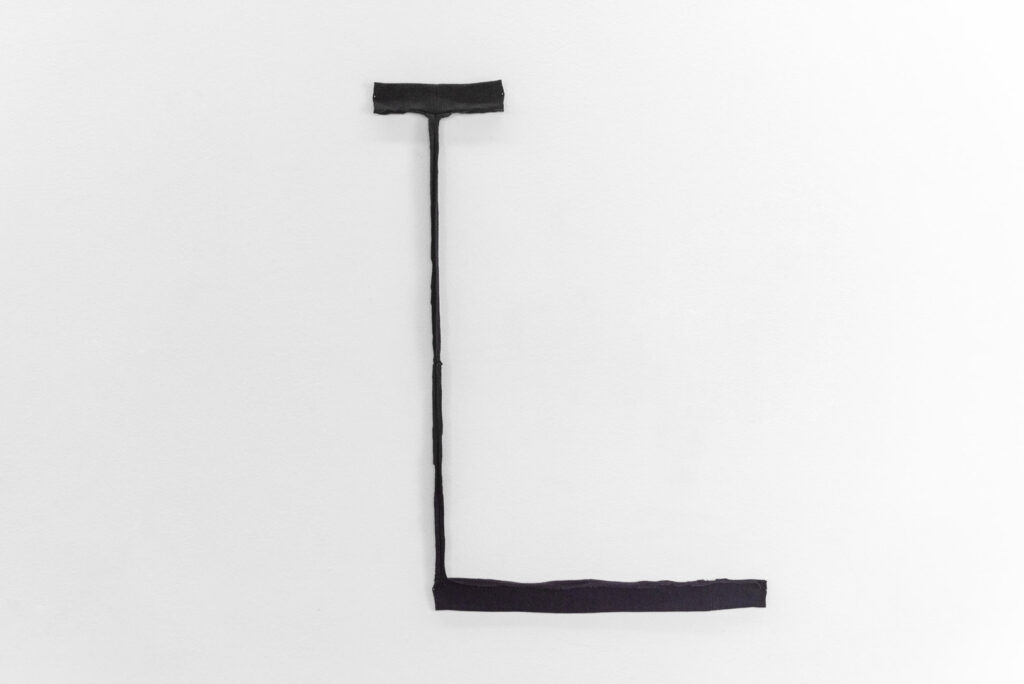
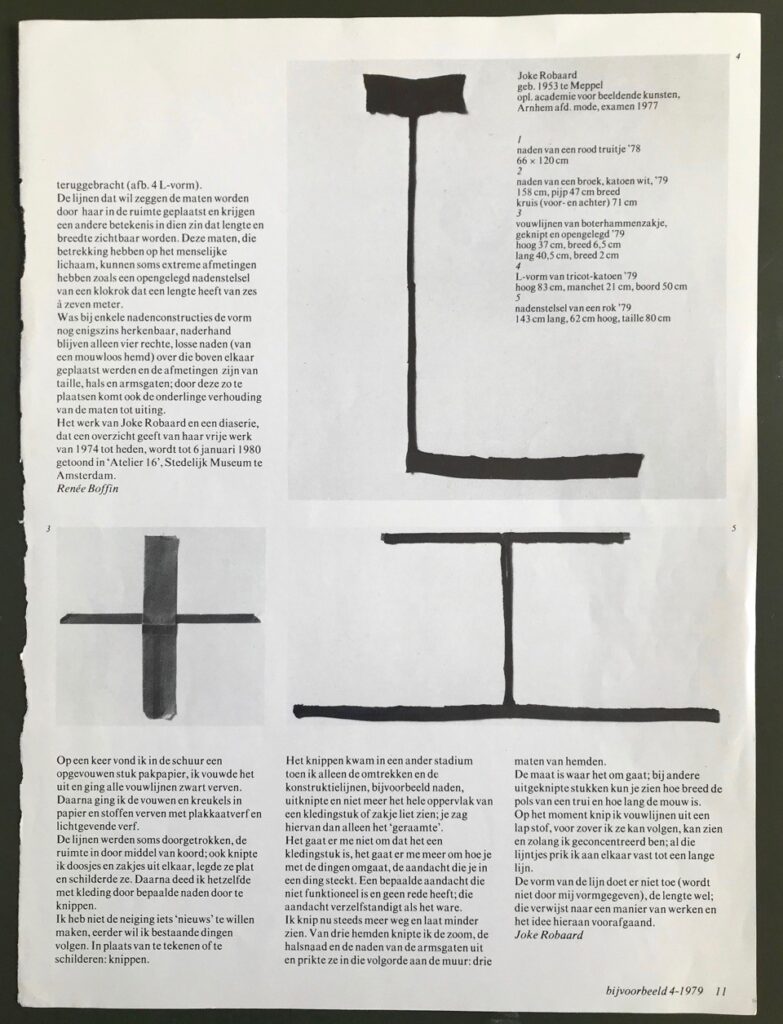
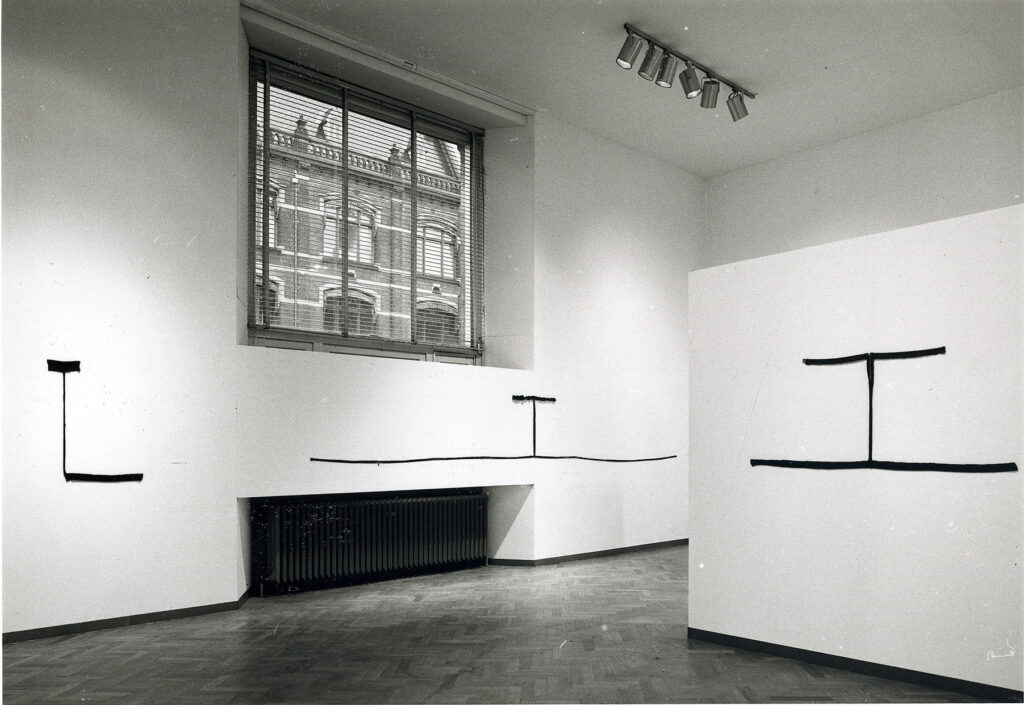
When she began selecting and cutting seams in 1979, her concerns were rather formal: size and potential space. Many years later, returning to an L -shaped work, she associated the form with a newspaper photo of Yasser Arafat raising his arm(1978). It was one of the first images she clipped and added to the archive of photographs and texts. From that moment on, the work would no longer remain abstract.
In GREEN ASSEMBLY, elements from five object-based series—Overlap, Selections, Flapping, L Series, and Ellipses—are brought together, removed from their original vertical alignment, into a newly composed spatial constellation accompanied by a chain of words.(1979, 2020-2026)